
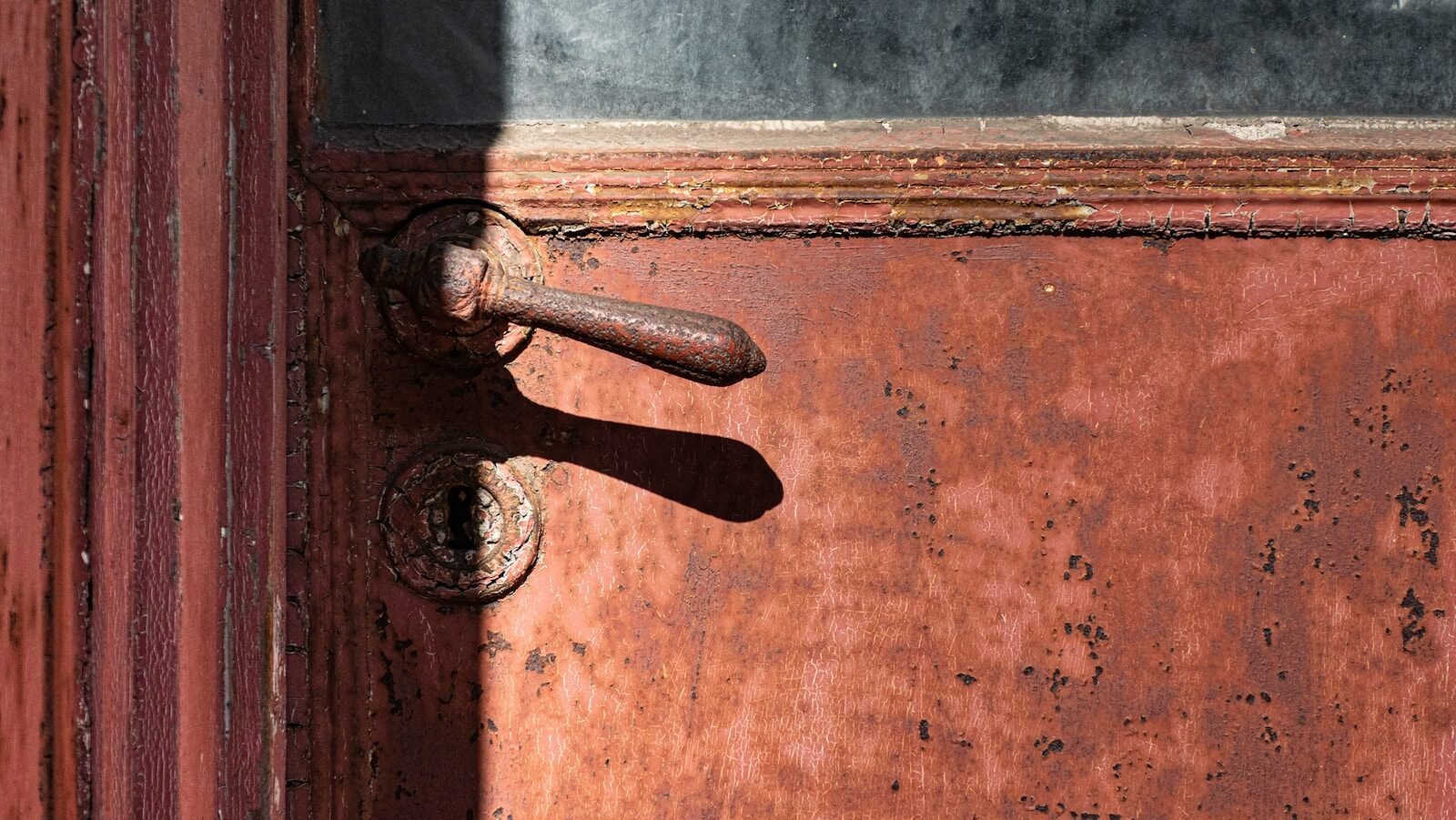

Moisture lingers inside wooden doors, not only dents or scratches. When someone spills something and forgets to wipe it clean, that moment stays trapped below. Each blemish tells a story of neglect, seeping deeper than eyes can see. To fix it means knowing how the grain fights back against invaders. People reach for vinegar, sometimes baking soda, maybe even bleach – expecting quick fixes. These rarely work since no two stains behave alike, nor do any two doors match underneath. Life doesn’t follow formulas, especially not here.
- Common Types of Stains on Wooden Doors
- Check the Finish Before You Start Removing Stains From a Fiberglass Door
- How to Treat Water Marks When Learning How to Remove Stain From a Door
- Using Light and Air to Help Dry the Door
- Removing Ink From Wood or a Fiberglass Door Surface
- Cleaning Grease Around Handles on Any Door Surface
- Dealing With Deep Stains Including Gel Stain on Fiberglass Doors
- Removing Paint Splatters Safely From Wood or Fiberglass Doors
- Why Sanding Should Be the Last Resort When Removing Door Stains
- Preventing Mold and Hidden Moisture Damage on Doors
- Removing Rust-Like Marks and Corrosion From Door Surfaces
- How to Prevent Future Door Stains Effectively
- Accepting That Some Marks Stay After Cleaning
- The Real Goal Is Blending, Not Perfection When Removing Stains
- Best Way to Check Your Progress After Removing a Door Stain
Common Types of Stains on Wooden Doors
Some marks act different than others. From a puddle left behind, water spots happen when moisture slips under the surface layer. Instead of sitting on top, ink dives further down, particularly along raw wood borders. Near handles, oily messes such as fingerprints eat away at shields over time. Depending on how deep they go and what they react with, every type needs its own kind of fix.
Check the Finish Before You Start Removing Stains From a Fiberglass Door
Start by checking how the door looks before you go near that stain. Many inside wood doors come sealed with something like polyurethane, maybe varnish, sometimes lacquer. As years pass, those surfaces might split or turn foggy. Work too hard with sandpaper and you could alter the feel of the wood for good. Start here – use a cotton swab dipped in rubbing alcohol. Touch it to a hidden spot. Watch closely after that stroke; cloudiness means trouble. Stickiness? That surface won’t tolerate much. Move slow if you see either.
How to Treat Water Marks When Learning How to Remove Stain From a Door
Start by noticing how water marks linger when humidity lingers too long. When polish doesn’t lift them, it means they’ve cut deeper than the surface shows. Try blending white vinegar with olive oil – same amounts of each. Work it on gently using a lint-free rag, following the wood’s natural flow. A little acid helps break down what’s stuck. Moisture returns where the oil soaks in. After ten minutes pass, remove residue with a wipe. Twice each week do this, keep going till staining lightens. Shifts appear fast for certain people – just days sometimes; while mild changes show up slowly in others. How long it takes ties to how much damage built up before care began.
Using Light and Air to Help Dry the Door
Open doors greet light. Placing them where soft daylight falls through morning speeds up how dampness fades inside. Rays from the sun do not lift marks directly yet help air move deep into grain. Watch closely. Weeks under harsh beams twist timber frames out of shape. Seasons like late March or early October offer balance, giving warmth without harm when watched each day.
Removing Ink From Wood or a Fiberglass Door Surface
Getting rid of ink isn’t simple. Ballpoint trails stick fast. Alcohol might seem right – dissolves the liquid in ink – yet if used heavily, it eats away surface layers patchily. Try this instead: wet just the tip of a cotton swab using 91% rubbing alcohol, reach only the mark, pause half a minute, lift moisture with paper. Move straight across, never back and forth. Once each twenty-four hours at most. More tries could spread what you’re trying to fix. Later on, the wood underneath could require some care. With aged ink, complete color return isn’t always possible.
Cleaning Grease Around Handles on Any Door Surface
Over time, hand grease builds up around handle areas. At first glance, it might not look like much, yet slowly clouds the finish. Many reach for dish liquid and warm water – it feels right. Still, store-bought versions often carry additives that coat rather than clean. Try unscented castile soap – one small spoon per half cup of water works just fine. A little moisture on a microfiber cloth works best – just make sure it’s not wet. Start wiping slowly, using light strokes across the surface. Right after, take a dry pass; waiting invites trouble. Left behind, water slips into seams, puffs up layers beneath. Keeping things crisp means stopping damp before it digs in.
Dealing With Deep Stains Including Gel Stain on Fiberglass Doors
Stains that sink deep into materials usually come from spills, tree goo, or animal messes. Not common on walls, yet they show up where air hardly moves. Sometimes hydrogen dioxide works, though stronger than 3% might strip color. Another path? Try a mix using oxalic acid, often labeled as stuff for lightening wood. Follow the packet exactly – typically one scoop of dust to five drops of liquid. Give it a trial somewhere hidden. Wearing rubber gloves, spread the solution and wait five minutes before a quick rinse. A light vinegar mist comes next to balance the effect. Mistakes show up as uneven spots. When applied properly, it clears discoloration from tannins reacting with iron in water.
Removing Paint Splatters Safely From Wood or Fiberglass Doors
When paint gets sprayed by accident while fixing up a room, it sticks hard. Those latex bits won’t come off easily when wiped. Citrus-powered cleaners tend to loosen glossy layers better than Goo Gone does. Try using denatured alcohol instead – pair it with super-fine steel wool labeled 0000. Work gently; pressing too much can harm the surface. Afterward, rub on some wax to smooth out how light reflects.
Why Sanding Should Be the Last Resort When Removing Door Stains
People either love sandpaper or avoid it completely. A fine grain – think 220 or higher – fixes small surface issues yet changes how light bounces off. After working the area, matching the rest means a full refinish waits ahead. Pulling that off demands experience few have on hand. Home attempts tend to leave runs, bare patches, air thick with fumes long after.
Preventing Mold and Hidden Moisture Damage on Doors
Most stains go deeper than sight suggests. When air stays thick with moisture, trouble grows unseen. Once indoor dampness crosses sixty percent, hidden corners turn risky. A spot that seems like spilled drink might actually breathe with life. Dealing with it means more than wiping – it needs a fight against fungus. Try mixing twelve grams of baking soda into two hundred forty milliliters of water. Start by spraying. Wait a quarter hour before wiping it down. Results aren’t flashy at first – yet breaks up hidden clusters growing beneath the surface layer.
Related topic’s: 10 Best Space-Saving Smart Kitchen Appliances for Studio Apartments
Removing Rust-Like Marks and Corrosion From Door Surfaces
Start by wiping light stains with regular toothpaste using an old rag. Friction can drag metal bits across surfaces, leaving dull trails. Try mixing salt into lemon juice when spots resist cleaning. The sour liquid breaks down rough corrosion over time. Leftover moisture invites more damage, so wash it off well after. A soft loop of fabric works best for gentle scrubbing between steps.
How to Prevent Future Door Stains Effectively
Stopping trouble early beats fixing it later. Stick felt pads under wall decorations instead. A quick wipe now keeps dirt from sticking over time. Give your walls a conditioning once in half a year for longer strength. Just staying away doesn’t mean you’re safe. Spots show up – no matter how careful you are.
Accepting That Some Marks Stay After Cleaning
Nothing wipes traces completely after care ends. Time leaves marks, that is certain. Making peace with it helps. Total removal goes against how things exist. Focus shifts – less on hiding, more on harmony: soften, do not vanish.
Related topic’s:
How to Hide Indoor Security Cameras in Home Decor
The Real Goal Is Blending, Not Perfection When Removing Stains
Fixing things rarely follows a strict plan. Weather traces, how well it was first sealed, even foot traffic leave marks you can’t fully control. Getting it right means blending in more than vanishing. Is the patch level with what’s around it? Then something clicked.
Best Way to Check Your Progress After Removing a Door Stain
Here is something to remember. Light that stays the same shows what really happens. A phone flash can trick your eyes. Look at progress around noon close to a window instead of beneath yellow kitchen lights.